
Japan has long been admired for its advanced technology, strong economy, rich culture, and world-class infrastructure. In recent years, the country has also emerged as one of the most attractive destinations for foreign skilled workers, thanks to labor shortages across key industries. To address this gap, the Japanese government introduced and expanded several immigration pathways, most notably the Skilled Worker Visa, officially known as the Specified Skilled Worker (SSW) Visa.
If you are searching for skilled worker visa jobs in Japan, this comprehensive guide explains everything you need to know — from eligible industries and salaries to application requirements, job portals, and long-term benefits. Whether you are from Africa, Asia, Europe, or elsewhere, this article will help you understand how to legally work in Japan as a skilled professional.
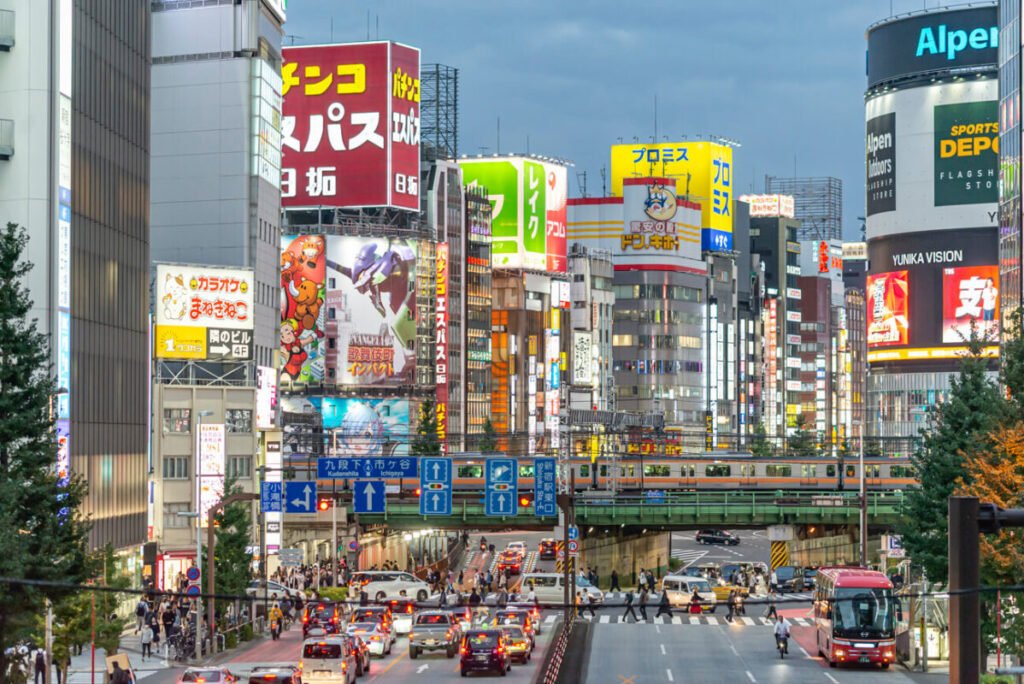
Why Japan Needs Foreign Skilled Workers
Japan faces a serious demographic challenge. With a rapidly aging population and a declining birth rate, the domestic workforce is shrinking. As a result, many industries struggle to find enough local workers to sustain growth.
To remain competitive and maintain economic stability, Japan actively welcomes foreign skilled labor in areas where shortages are most severe. This policy shift has opened thousands of legal job opportunities for non-Japanese nationals under structured visa programs.
Key reasons Japan recruits foreign skilled workers include:
- Aging population and workforce shortages
- Expansion of infrastructure and construction projects
- Growing demand in healthcare and elder care
- Increased manufacturing and export activities
- Globalization of Japanese businesses
What Is the Skilled Worker Visa in Japan?
The Skilled Worker Visa, commonly referred to as the Specified Skilled Worker (SSW) Visa, was introduced to allow foreign nationals with practical skills and experience to work in designated sectors.
There are two main categories:
1. Specified Skilled Worker (i) – SSW Type 1
This visa is designed for workers with basic professional skills and experience.
Key features:
- Valid for up to 5 years (renewable annually)
- No family sponsorship allowed
- Japanese language and skills test required
- Available across multiple industries
2. Specified Skilled Worker (ii) – SSW Type 2
This is a more advanced category for highly experienced workers.
Key features:
- Renewable with no maximum stay limit
- Eligible for permanent residency
- Family sponsorship allowed
- Higher skill level required
- Limited industries (construction and shipbuilding)
Industries Offering Skilled Worker Visa Jobs in Japan
Japan officially recognizes 14 industries under the Specified Skilled Worker program. These sectors offer the highest number of visa-sponsored jobs.
1. Construction Jobs
Construction remains one of the highest-paying skilled worker sectors.
Popular roles include:
- Bricklayers
- Scaffolders
- Electricians
- Welders
- Equipment operators
Average salary: ¥250,000 – ¥400,000 per month
2. Manufacturing and Factory Jobs
Japan’s manufacturing industry relies heavily on skilled labor.
Roles include:
- Machine operators
- Assembly line technicians
- Quality control specialists
- Metal processing workers
Average salary: ¥200,000 – ¥350,000 per month
3. Caregiver and Nursing Support Jobs
With an aging population, healthcare and elderly care jobs are in high demand.
Roles include:
- Care assistants
- Nursing aides
- Home care workers
Average salary: ¥180,000 – ¥300,000 per month
4. Agriculture Jobs
Modern Japanese agriculture uses advanced technology and needs skilled labor.
Roles include:
- Crop production specialists
- Greenhouse workers
- Livestock handlers
Average salary: ¥180,000 – ¥280,000 per month
5. Food Service and Hospitality Jobs
Tourism and international events have increased demand for hospitality staff.
Roles include:
- Restaurant cooks
- Food processing workers
- Hotel service staff
Average salary: ¥200,000 – ¥320,000 per month
6. Shipbuilding and Marine Engineering
Highly technical and well-paid sector.
Roles include:
- Ship welders
- Hull technicians
- Marine electricians
Average salary: ¥300,000 – ¥500,000 per month
7. Automotive Maintenance Jobs
Japan’s automotive industry offers stable skilled employment.
Roles include:
- Auto mechanics
- Vehicle inspectors
- Engine technicians
Average salary: ¥250,000 – ¥400,000 per month
8. Aviation Ground Services
Airports require skilled foreign workers for ground operations.
Roles include:
- Baggage handling specialists
- Aircraft maintenance assistants
Average salary: ¥220,000 – ¥350,000 per month
Salary Expectations and Cost of Living in Japan
While salaries in Japan are competitive, cost of living varies by city.
Major cities:
- Tokyo
- Osaka
- Yokohama
Higher salaries but higher rent.
Regional areas:
- Fukuoka
- Hokkaido
- Nagasaki
Lower cost of living and better savings potential.
Many employers offer:
- Subsidized housing
- Transportation allowances
- Health insurance
- Pension contributions
Requirements for Skilled Worker Visa Jobs in Japan
To qualify, applicants must generally meet the following conditions:
- Valid passport
- Relevant work experience
- Skills proficiency test (industry-specific)
- Japanese language test (JLPT N4 or equivalent)
- Job offer from a registered Japanese employer
- Clean immigration record
- Medical fitness certificate
Some candidates can transition from Japan’s Technical Intern Training Program (TITP) without re-testing.
How to Apply for Skilled Worker Visa Jobs in Japan
Step 1: Choose Your Industry
Select one of the eligible sectors based on your experience.
Step 2: Pass Required Exams
- Skills test
- Japanese language test (if required)
Step 3: Secure a Job Offer
Apply through licensed employers or recruitment agencies.
Step 4: Certificate of Eligibility (COE)
Your employer applies for the COE on your behalf.
Step 5: Visa Application
Submit documents to the Japanese embassy or consulate in your country.
Best Job Portals for Skilled Worker Jobs in Japan
- Hello Work Japan
- GaijinPot Jobs
- Jobs in Japan
- Indeed Japan
- Licensed recruitment agencies
Always verify employers to avoid scams.
Permanent Residency and Career Growth
Skilled workers can progress from:
- SSW Type 1 → SSW Type 2
- SSW Type 2 → Permanent Residency
Japan values long-term contributors and offers stability for dedicated professionals.
Common Mistakes to Avoid
- Using unlicensed agents
- Paying illegal recruitment fees
- Submitting false documents
- Ignoring language preparation
- Overstaying visas
Following legal processes ensures long-term success.
Benefits of Working in Japan as a Skilled Worker
- Legal employment and labor protection
- Access to healthcare and social insurance
- Stable income and savings opportunities
- Global work experience
- Pathway to permanent residence
Final Thoughts
Skilled worker visa jobs in Japan offer a genuine opportunity for foreigners seeking stable, legal employment in a developed economy. With strong demand across construction, manufacturing, healthcare, hospitality, and technical industries, Japan continues to welcome skilled professionals who are ready to contribute.
By understanding the visa categories, meeting the requirements, and applying through legitimate channels, you can build a secure future while experiencing one of the world’s most unique cultures.
If you are serious about working abroad, Japan’s Skilled Worker Visa program remains one of the most structured and reliable options available today.