Introduction
In an era where global mobility is increasingly sought after by skilled professionals, Sweden stands out as a prime destination for those looking to build a new life abroad. Known for its high quality of life, innovative economy, and commitment to sustainability, Sweden offers compelling opportunities for foreign workers, particularly in sectors facing labor shortages. One such area is the construction industry, where demand for qualified talent has led to attractive visa pathways and competitive salaries. This article explores the opportunity to relocate to Sweden via the work permit program tailored for construction roles, with earning potentials reaching up to 42,000 SEK per month or more, depending on experience and position.
Sweden’s work permit system, administered by the Swedish Migration Agency (Migrationsverket), allows non-EU/EEA citizens to move to the country for employment if they secure a job offer that meets specific criteria. While there isn’t a standalone “Construction Visa,” the general work permit framework heavily supports roles in construction due to ongoing infrastructure projects, housing developments, and green building initiatives. With average salaries in the sector hovering around 40,000-45,000 SEK monthly, and some specialized positions offering 42,000 SEK or higher, this pathway not only facilitates relocation but also promises financial stability from day one.
Relocating to Sweden through this program isn’t just about the paycheck—it’s about accessing a welfare state with excellent healthcare, education, and work-life balance. As of January 2026, with the economy recovering from global challenges, Sweden is actively recruiting international talent to fuel its construction boom. This includes roles like heavy equipment mechanics, project managers, welders, and civil engineers. The process involves obtaining a work permit based on a valid job offer, meeting salary thresholds, and demonstrating relevant skills. Importantly, many employers provide relocation support, such as assistance with housing, flights, and integration programs, making the transition smoother.
This comprehensive guide will delve into the details of Sweden’s construction sector, visa requirements, salary expectations, relocation perks, daily life as an expat, application tips, and more. Whether you’re a seasoned construction professional or exploring career shifts, understanding this opportunity can open doors to a prosperous future in one of Europe’s most progressive nations. By focusing on factual, up-to-date information, we aim to equip you with the knowledge needed to make informed decisions about relocating to Sweden.
Overview of Sweden’s Construction Industry
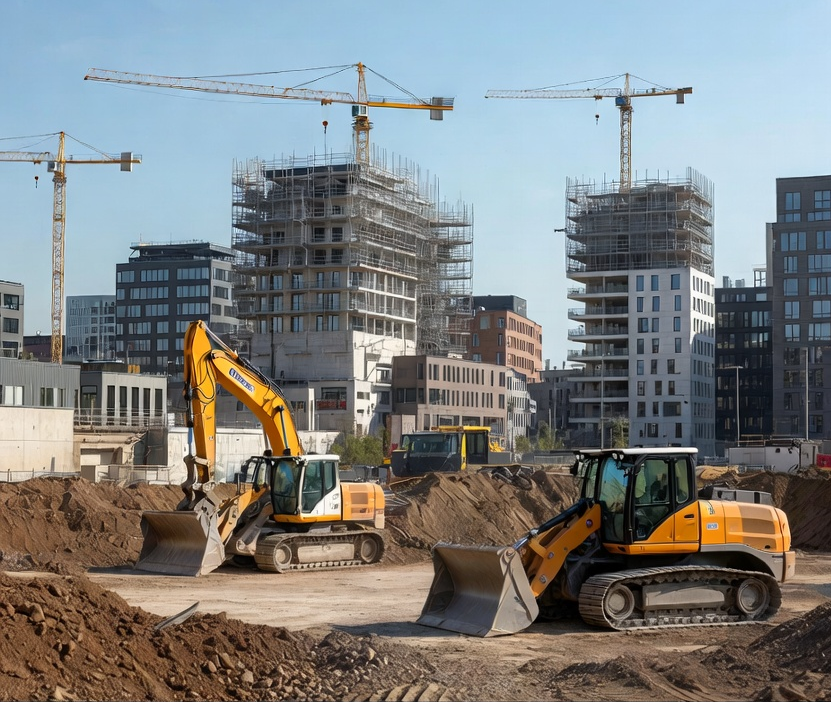
Sweden’s construction industry is a cornerstone of its economy, contributing significantly to GDP and employment. In 2025, the sector employed over 300,000 people and was valued at approximately 600 billion SEK, driven by urbanization, infrastructure upgrades, and sustainability goals. The country is investing heavily in projects like the expansion of Stockholm’s metro system, high-speed rail links, and eco-friendly housing to meet net-zero emissions targets by 2045. This has created a persistent demand for skilled labor, exacerbating shortages in areas such as carpentry, electrical work, plumbing, and site management.
Foreign workers are particularly welcomed because domestic training programs can’t keep pace with the need. According to recent reports, construction job vacancies have risen by 15% year-over-year, with employers turning to international recruitment to fill gaps. Roles in high demand include construction project managers (average salary 45,000-65,000 SEK/month), welders (32,000-50,000 SEK/month), and heavy equipment operators (31,000-42,000 SEK/month). These positions often come with opportunities for overtime, bonuses, and career advancement, making them appealing for those seeking to relocate.
The industry’s emphasis on innovation sets it apart. Sweden leads in modular construction, using prefabricated components to reduce waste and build faster. Companies like Skanska and NCC, global giants headquartered in Sweden, are at the forefront, incorporating AI, robotics, and green materials. For instance, the “Million Programme 2.0” aims to build one million sustainable homes by 2030, requiring thousands of additional workers. This not only boosts job security but also aligns with global trends toward environmentally conscious building practices.
Moreover, labor laws in Sweden ensure fair treatment. The standard workweek is 40 hours, with mandatory paid vacation (at least 25 days annually) and strong union representation. Collective bargaining agreements cover most construction jobs, guaranteeing minimum wages, health insurance, and pension contributions. For foreign workers, this means protection against exploitation and access to the same benefits as locals.
Challenges exist, such as harsh winters affecting outdoor work and the need for Swedish language proficiency in some roles, but many companies offer language courses as part of relocation packages. Overall, the sector’s growth trajectory—projected at 4-5% annually through 2030—positions it as a gateway for international professionals to establish themselves in Sweden.
The Swedish Work Visa for Construction Workers
Sweden’s work permit program is designed to attract skilled non-EU/EEA workers to fill labor market needs, including in construction. Unlike temporary visas in other countries, Swedish work permits can lead to permanent residency after four years, and eventually citizenship. To qualify for a construction-related permit, applicants must have a job offer from a Swedish employer, with the position advertised in the EU for at least 10 days to prioritize local talent.
Key eligibility criteria include:
- Salary Threshold: As of January 2026, the minimum monthly salary is SEK 29,680 (80% of the median wage), rising to SEK 33,390 on June 1, 2026. For construction roles, salaries often exceed this, with entry-level positions starting at 30,000 SEK and experienced ones reaching 42,000 SEK or more.
- Job Offer: The employment must be full-time (at least 40 hours/week) and last at least one year. The employer handles much of the application, providing proof of insurance and accommodation.
- Qualifications: Relevant education or experience is required. For example, a civil engineer needs a degree, while trades like welding may need certifications. No Swedish language test is mandatory, but basic English is often sufficient.
- Health and Insurance: Applicants must have comprehensive health insurance until covered by Sweden’s system.
The application process is straightforward and online via Migrationsverket’s portal. Steps include:
- Secure a job offer from a Swedish company. Use platforms like Arbetsförmedlingen (Public Employment Service) or LinkedIn to find openings.
- Employer submits the offer details, including salary and terms.
- Applicant uploads documents: passport, CV, qualifications, and proof of accommodation.
- Pay the fee (SEK 2,000 for most permits).
- Decision typically takes 1-3 months; faster for certified employers.
Once approved, the permit is issued for up to two years, renewable. Family members can join, with spouses eligible for work permits. For construction workers, many employers are “certified” by Migrationsverket, speeding up processing to weeks.
Special considerations for construction: The sector’s union ties mean offers must comply with collective agreements, ensuring fair pay. In 2025, over 5,000 work permits were issued for construction-related roles, reflecting the program’s accessibility. However, applicants from certain countries may need additional security checks.
This visa isn’t just a ticket to work—it’s a pathway to integration. Holders can access free Swedish language courses (SFI) and orientation programs, easing the transition.
Salary and Compensation in Construction
Earning potential is a major draw for relocating to Sweden via construction work permits. The average monthly salary in the sector is around 40,100 SEK, but specialized roles can hit 42,000 SEK or higher. For instance, heavy equipment mechanics earn 31,000-42,000 SEK gross, netting about 22,000-30,000 SEK after taxes. Project managers command 45,000-65,000 SEK, while welders range from 32,000-50,000 SEK.
Taxes in Sweden are progressive, with rates of 30-50% on income, but this funds extensive social benefits. A 42,000 SEK gross salary might net 30,000 SEK, still comfortable given low living costs in some areas. Additional compensation includes:
- Overtime pay (up to 50% premium).
- Shift allowances for night/weekend work.
- Pension contributions (employer-paid, often 4.5% of salary).
- Holiday bonuses.
In high-demand areas like Stockholm or Gothenburg, salaries are 10-20% higher to offset living expenses. Entry-level foreign workers can start at the threshold but quickly advance with experience.
Compared to global averages, Swedish construction pay is competitive. For example, a U.S. construction worker earns $4,000/month on average, similar to Sweden’s net after conversions, but with better benefits.
Relocation Benefits and Support
While there’s no government-paid 42,000 SEK relocation grant specifically for construction workers, many employers offer packages valued at 10,000-50,000 SEK. These cover flights, temporary housing, and moving costs. For example, one job offer included a 10,000 SEK bonus plus visa and travel support.
Government programs like the introduction benefit (up to 308 SEK/day for newly arrived participants in integration activities) apply to some immigrants, but primarily refugees. For work permit holders, tax incentives like the 25% expert tax relief for high-skilled roles can save thousands annually.
Companies often partner with relocation firms for all-inclusive support, including school enrollment for children and spousal job assistance. This holistic approach minimizes stress, allowing focus on career.
Life in Sweden for Expatriates
Sweden offers an enviable lifestyle for relocated workers. With a Human Development Index ranking among the top globally, it boasts clean environments, efficient public transport, and inclusive society. Construction expats often settle in urban centers like Stockholm (population 1.6 million) or Malmö, where multicultural communities thrive.
Cost of living: A single person needs 10,000-15,000 SEK/month for basics, leaving ample from a 42,000 SEK salary. Housing rents average 8,000-12,000 SEK for apartments. Healthcare is universal and free after registration, with short wait times.
Work culture emphasizes balance: “Fika” breaks, flexible hours, and parental leave (480 days shared). Socially, Swedes value equality and nature—hiking, skiing, and “Allemansrätten” (right to roam) are staples.
Challenges include long winters (darkness from November-February) and learning Swedish, but English is widely spoken. Expats report high satisfaction, with 80% recommending Sweden.
How to Apply and Tips for Success
Start by updating your CV to EU standards and networking on LinkedIn. Target companies like Peab or Veidekke. Prepare for interviews focusing on skills and adaptability.
Tips: Gain certifications (e.g., EU-recognized welding quals), learn basic Swedish via apps like Duolingo, and consult relocation experts. Avoid common pitfalls like incomplete applications.
Success stories abound: A Filipino engineer relocated in 2024, earning 45,000 SEK and gaining residency within years.
Conclusion
Relocating to Sweden through construction work permits offers a pathway to earn 42,000 SEK monthly while enjoying a superior quality of life. With robust industry growth, supportive visas, and employer perks, it’s an opportunity worth pursuing. Research thoroughly, prepare diligently, and embrace the adventure—Sweden awaits.