Germany has become one of the most attractive destinations for international professionals seeking high-paying jobs, long-term career stability, and visa sponsorship opportunities in Europe. With the country facing a growing shortage of skilled workers across healthcare, engineering, information technology, construction, manufacturing, and logistics, employers are increasingly hiring qualified foreign professionals and offering work visa sponsorship packages.
In 2026, Germany continues to expand pathways for international workers through programs such as the German Skilled Worker Visa and the EU Blue Card. Many companies are actively recruiting foreign talent because local labor shortages have affected critical industries. According to recent labor market reports, Germany requires hundreds of thousands of skilled workers annually to support economic growth and replace retiring employees.
For highly qualified professionals, salaries can range from €85,000 to €140,000 annually depending on the industry, qualifications, experience level, and employer. Fields such as software engineering, cybersecurity, AI development, medicine, industrial engineering, and finance are among the highest-paying sectors currently offering visa sponsorship opportunities.
This guide explains everything international workers need to know about Germany’s skilled worker visa sponsorship opportunities, including:
- High-paying industries in Germany
- Visa sponsorship requirements
- Salary expectations
- In-demand occupations
- Benefits of working in Germany
- How to apply successfully
- Companies hiring foreign workers
- Common mistakes to avoid
- Tips for increasing approval chances
Why Germany Needs International Skilled Workers
Germany is currently experiencing one of the largest labor shortages in Europe. Aging demographics, declining birth rates, and increased demand for specialized professionals have created significant gaps across multiple industries.
Recent reports show Germany continues to classify many professions as shortage occupations, especially in STEM fields, healthcare, construction, logistics, and technical trades.
The German government has responded by modernizing immigration pathways through the Skilled Immigration Act, making it easier for qualified foreign workers to relocate and work legally in Germany.
Some of the biggest reasons Germany recruits international professionals include:
- Retirement of experienced workers
- Shortage of qualified graduates
- Expansion of digital industries
- Growth in healthcare demand
- Infrastructure modernization projects
- Increased need for AI and software specialists
- Manufacturing and engineering workforce gaps
As a result, employers now provide:
- Visa sponsorship
- Relocation assistance
- Paid onboarding
- Language support
- Housing assistance
- Family reunification support
- Long-term employment contracts
Understanding Germany’s Skilled Worker Visa
The German Skilled Worker Visa allows qualified non-EU professionals to live and work in Germany legally. It is one of the most accessible work visa pathways in Europe for foreign professionals with recognized qualifications.
The visa applies to workers with:
- University degrees
- Vocational qualifications
- Specialized technical certifications
- Professional work experience
Germany also offers the EU Blue Card for highly skilled professionals with higher salaries and advanced qualifications.
According to recent immigration updates, shortage occupations benefit from reduced salary thresholds and faster immigration processing.
Major Benefits of Germany Skilled Worker Visa Sponsorship
1. High Salary Potential
Germany offers competitive salaries across multiple industries. Senior professionals in technology, medicine, finance, and engineering can earn between €85,000 and €140,000 annually.
Top salary categories include:
| Profession | Estimated Annual Salary |
|---|---|
| AI Engineer | €90,000–€140,000 |
| Cybersecurity Specialist | €85,000–€130,000 |
| Medical Specialist | €100,000–€140,000 |
| Cloud Architect | €90,000–€135,000 |
| Senior Software Engineer | €85,000–€125,000 |
| Engineering Manager | €90,000–€130,000 |
| Data Scientist | €85,000–€120,000 |
| Financial Risk Analyst | €85,000–€115,000 |
Salary levels vary by city, employer, experience, and language skills.
2. Pathway to Permanent Residency
Germany provides a clear path toward permanent residency for skilled workers.
EU Blue Card holders may qualify for permanent residency faster depending on language proficiency and employment duration.
3. Family Reunification
Sponsored workers can often bring spouses and children to Germany. Family members may also gain work or study rights depending on the visa category.
4. Access to Europe
Germany’s location in the European Union makes travel across Europe easier for residents. Workers enjoy access to modern infrastructure, public healthcare, and strong labor protections.
5. Strong Employee Protections
Germany is known for:
- Paid vacation
- Health insurance
- Pension contributions
- Job security
- Regulated work hours
- Maternity and parental benefits
Highest Paying Skilled Worker Jobs in Germany
1. Software Engineering and AI Jobs
Germany’s tech sector continues expanding rapidly, creating demand for highly qualified software professionals.
Popular roles include:
- Full Stack Developer
- AI Engineer
- Machine Learning Specialist
- DevOps Engineer
- Cloud Engineer
- Cybersecurity Expert
- Backend Developer
Technology companies in Berlin, Munich, Hamburg, and Frankfurt actively recruit international workers due to ongoing shortages.
Median salaries for software and AI professionals remain among the highest in Germany.
Skills in High Demand
- Python
- Java
- Kubernetes
- AWS
- Azure
- Machine Learning
- Cybersecurity
- Data Engineering
- AI Automation
2. Engineering Jobs
Germany remains a global leader in engineering and manufacturing.
High-paying engineering fields include:
- Mechanical Engineering
- Electrical Engineering
- Automotive Engineering
- Robotics Engineering
- Industrial Engineering
- Renewable Energy Engineering
Engineering professionals are regularly listed among Germany’s shortage occupations.
3. Healthcare and Medical Jobs
Germany’s healthcare sector faces major staffing shortages due to an aging population.
Highly paid medical professionals include:
- Specialist Doctors
- Surgeons
- Dentists
- Pharmacists
- Medical Researchers
- Senior Nurses
Healthcare occupations benefit from strong demand and immigration support.
4. Finance and Banking Jobs
Frankfurt remains one of Europe’s leading financial hubs.
High-paying roles include:
- Financial Analysts
- Investment Bankers
- Risk Managers
- FinTech Specialists
- Compliance Officers
Professionals with international banking experience often secure visa-sponsored employment opportunities.
5. Skilled Trades and Construction
Germany also requires skilled technical workers such as:
- Electricians
- Welders
- HVAC Technicians
- Construction Supervisors
- Industrial Mechanics
Demand remains high due to infrastructure and housing development projects.
Germany Skilled Worker Visa Requirements
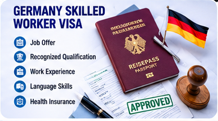
To qualify for a Germany skilled worker visa sponsorship program, applicants usually need:
Valid Job Offer
You must receive a formal employment offer from a German employer willing to sponsor your visa.
Recognized Qualifications
Foreign degrees or vocational qualifications may need recognition in Germany.
Recognition processes depend on:
- Profession
- Country of qualification
- Industry regulations
Relevant Work Experience
Most employers prefer applicants with at least:
- 2–5 years of experience
- Specialized technical expertise
- Industry certifications
Language Skills
Some positions require German language proficiency, especially healthcare and customer-facing roles.
However, many international tech companies hire English-speaking professionals.
Proof of Financial Stability
Applicants may need to demonstrate financial readiness for relocation and settlement.
Health Insurance
Health insurance coverage is mandatory in Germany.
Germany EU Blue Card Explained
The EU Blue Card is designed for highly qualified professionals with competitive salaries.
In 2026, salary thresholds were updated for different occupation categories. Shortage occupations benefit from lower thresholds compared to standard professions.
Benefits of the EU Blue Card include:
- Faster permanent residency
- Easier family reunification
- Mobility across EU countries
- Simplified immigration processing
Top German Cities for Skilled Workers
Berlin
Berlin is Germany’s startup and technology capital.
Popular industries:
- Technology
- AI
- FinTech
- Digital marketing
- Software development
Munich
Munich offers some of Germany’s highest salaries.
Major sectors:
- Automotive engineering
- Finance
- Technology
- Manufacturing
Frankfurt
Frankfurt is ideal for:
- Banking
- Finance
- Investment management
- FinTech
Hamburg
Hamburg offers opportunities in:
- Logistics
- Shipping
- Aviation
- IT
Stuttgart
Stuttgart is known for:
- Automotive engineering
- Industrial manufacturing
- Robotics
Companies in Germany Offering Visa Sponsorship
Many German employers recruit international professionals through skilled worker programs.
Examples of industries actively hiring include:
- Automotive manufacturers
- Technology firms
- Hospitals
- Pharmaceutical companies
- Engineering consultancies
- Construction firms
- Financial institutions
Some global employers provide:
- Relocation packages
- Accommodation support
- Language training
- Immigration legal support
How to Find Germany Visa Sponsorship Jobs
1. Use Official German Job Portals
The German government and recruitment platforms regularly advertise visa-sponsored jobs.
Useful resources include:
- Make it in Germany
- StepStone
- Indeed Germany
2. Optimize Your CV for Germany
German employers prefer professional and structured resumes.
Include:
- Relevant work experience
- Certifications
- Technical skills
- Education history
- Language abilities
3. Focus on Shortage Occupations
Applicants in shortage occupations often experience:
- Faster approvals
- More sponsorship opportunities
- Better salaries
4. Apply Directly to International Companies
Large multinational companies frequently hire foreign professionals because they already have immigration support systems.
5. Improve German Language Skills
Even basic German can improve hiring chances significantly.
Some employers prioritize candidates with:
- A2 German
- B1 German
- B2 German
depending on the role.
Common Mistakes to Avoid
Applying Without Qualification Recognition
Some professions require formal recognition before visa approval.
Always verify requirements early.
Ignoring Salary Requirements
Germany checks whether salaries meet industry standards. Authorities may reject applications if compensation appears too low.
Using Generic Applications
Tailored applications perform better than mass applications.
Customize:
- Cover letters
- CVs
- Technical portfolios
Depending Only on English
English-speaking jobs exist, but German skills improve competitiveness dramatically.
Applying for Oversaturated Roles
Some industries remain highly competitive despite general labor shortages. Real-world discussions from immigrants and employers show that not every sector experiences equal demand.
Processing Time for Germany Skilled Worker Visa
Processing times vary depending on:
- Country of application
- Occupation
- Employer documentation
- Embassy workload
Fast-track procedures can reduce waiting times significantly when employers initiate the process correctly.
Can International Workers Bring Families?
Yes. Germany generally allows family reunification for skilled workers.
Benefits may include:
- Spouse work authorization
- Access to public education
- Healthcare coverage
- Long-term settlement opportunities
Cost of Living in Germany
Living costs vary by city.
Higher Cost Cities
- Munich
- Frankfurt
- Hamburg
More Affordable Cities
- Leipzig
- Dortmund
- Dresden
Despite higher living costs in major cities, salaries often compensate significantly.
Tips to Increase Your Chances of Getting Sponsored
Gain Specialized Skills
Highly specialized professionals receive more sponsorship offers.
Focus on:
- AI
- Cybersecurity
- Cloud Computing
- Engineering Automation
- Healthcare specialization
Build International Experience
Employers value global work experience and multicultural collaboration skills.
Earn Recognized Certifications
Examples include:
- AWS Certifications
- Microsoft Certifications
- Cisco Certifications
- PMP
- SAP Certifications
Network Professionally
Use:
- Industry events
- Recruitment fairs
- German employer webinars
Prepare for Interviews Professionally
German employers appreciate:
- Punctuality
- Technical preparation
- Structured communication
- Professionalism
Is Germany a Good Destination for International Workers?
Germany remains one of the strongest destinations for international professionals seeking long-term career growth and visa sponsorship opportunities.
Major advantages include:
- Strong economy
- High salaries
- Worker protections
- Immigration pathways
- Permanent residency opportunities
- Access to Europe
- Stable job market
However, successful applicants usually have:
- Strong qualifications
- Relevant experience
- Competitive technical skills
- Professional applications
- Willingness to adapt culturally
Conclusion
Germany’s skilled worker visa sponsorship programs continue attracting international talent across multiple industries. As labor shortages increase, employers are offering more competitive salaries, relocation packages, and immigration support to qualified foreign professionals.
For skilled workers earning between €85,000 and €140,000 annually, opportunities are especially strong in:
- Artificial intelligence
- Software engineering
- Cybersecurity
- Healthcare
- Finance
- Advanced engineering
The combination of high salaries, long-term residency options, strong worker protections, and quality of life makes Germany one of the best destinations for international professionals seeking global career advancement.
Applicants who prepare strategically, improve their qualifications, and target high-demand industries can significantly improve their chances of securing a sponsored role and building a successful future in Germany.